1、 Technology core type (highlighting the integration logic of AI and IoT)
1. AIoT: Bring "intelligence" to IoT terminals and enable the value of data to be realized.
2. Perception as the foundation, AI as the brain - AIoT builds an intelligent decision-making closed loop.
3. AIoT: Connecting everything and unleashing its intelligent potential.
4. From data collection to intelligent execution, AIoT reconstructs the value of the Internet of Things.
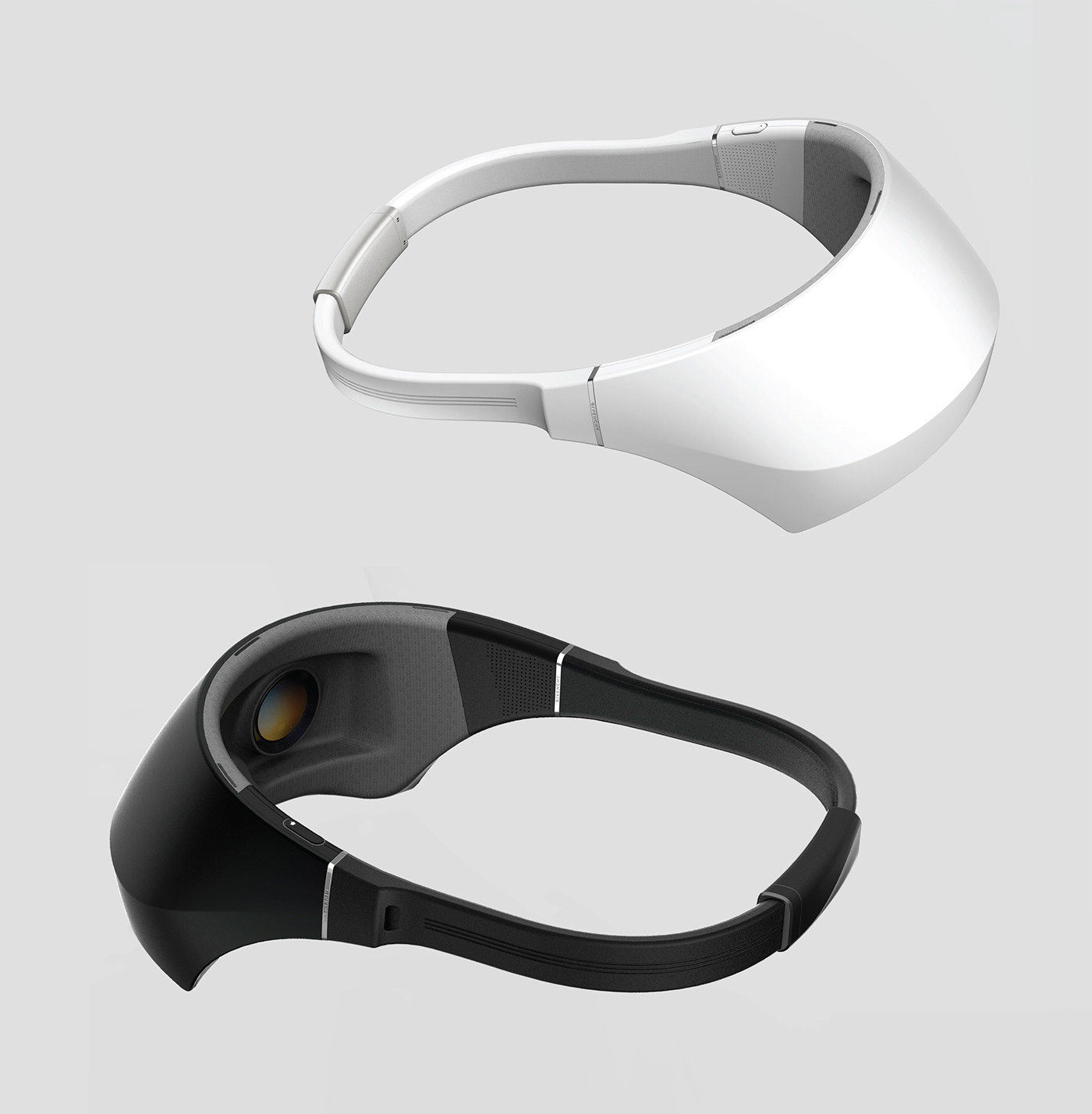
2、 Industry value oriented (focusing on empowerment and efficiency improvement)
1. AIoT: Connecting the perception and decision-making links, empowering the intelligent upgrading of industries.
2. Using AIoT to break through the "data island" and drive industry cost reduction and efficiency improvement.
3. AIoT: Cracking the pain point of "heavy perception and light decision-making" in the Internet of Things and activating new driving forces in the industry.
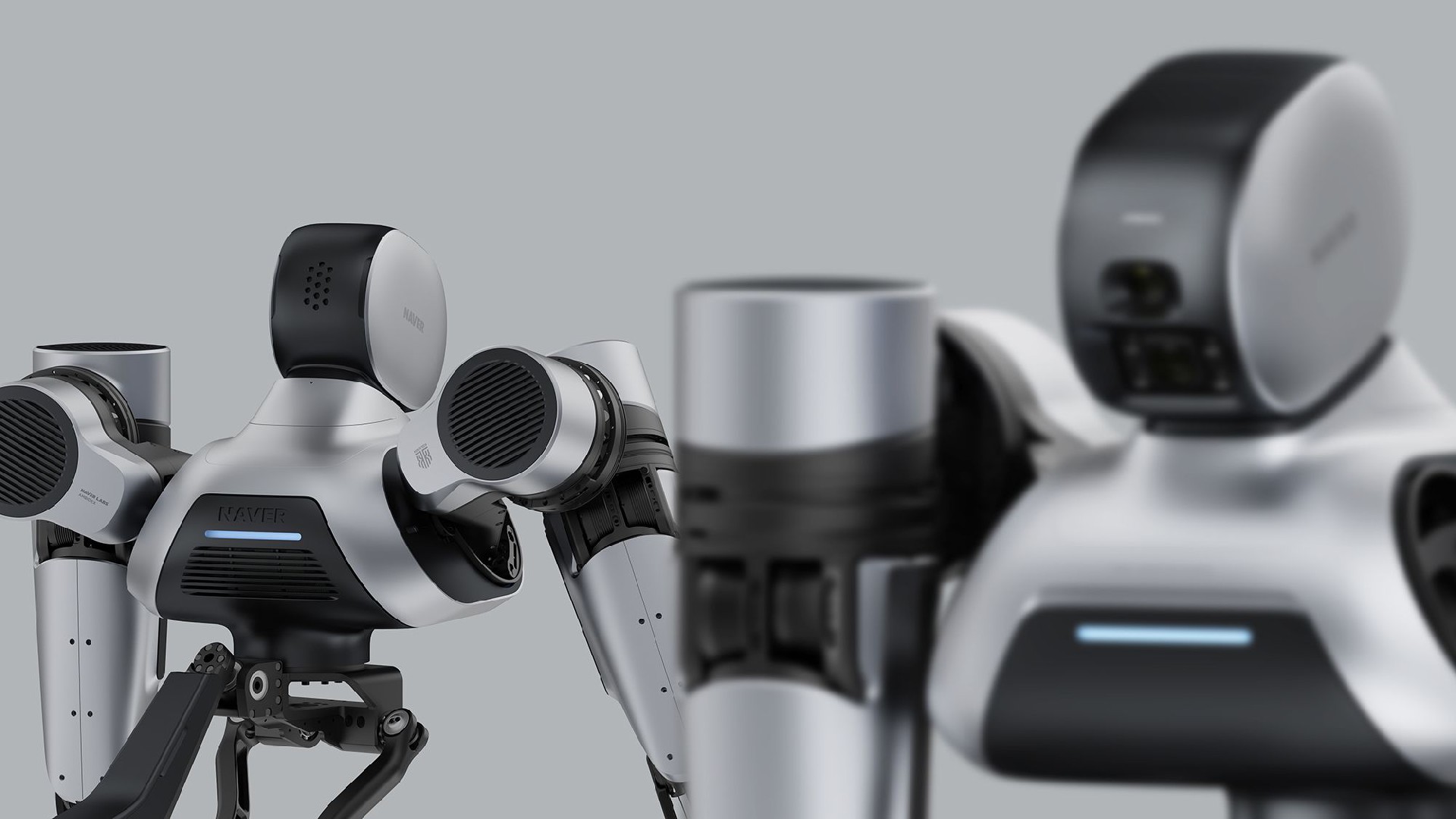
4. Robots make industries more intelligent - AIoT makes upgrades more precise.
3、 Ecological perspective type (emphasizing full scene and collaboration)
1. AIoT builds a "cloud edge end" intelligent ecosystem to accelerate the implementation of intelligent connectivity of all things.
2. Not only is "everything interconnected", AIoT realizes a new ecosystem of "intelligent connectivity of all things".
3. AIoT: Breaking down scene barriers and building an intelligent system for global collaboration.
4. AIoT is not a single point of intelligence, but a collaborative intelligent ecosystem of all things.
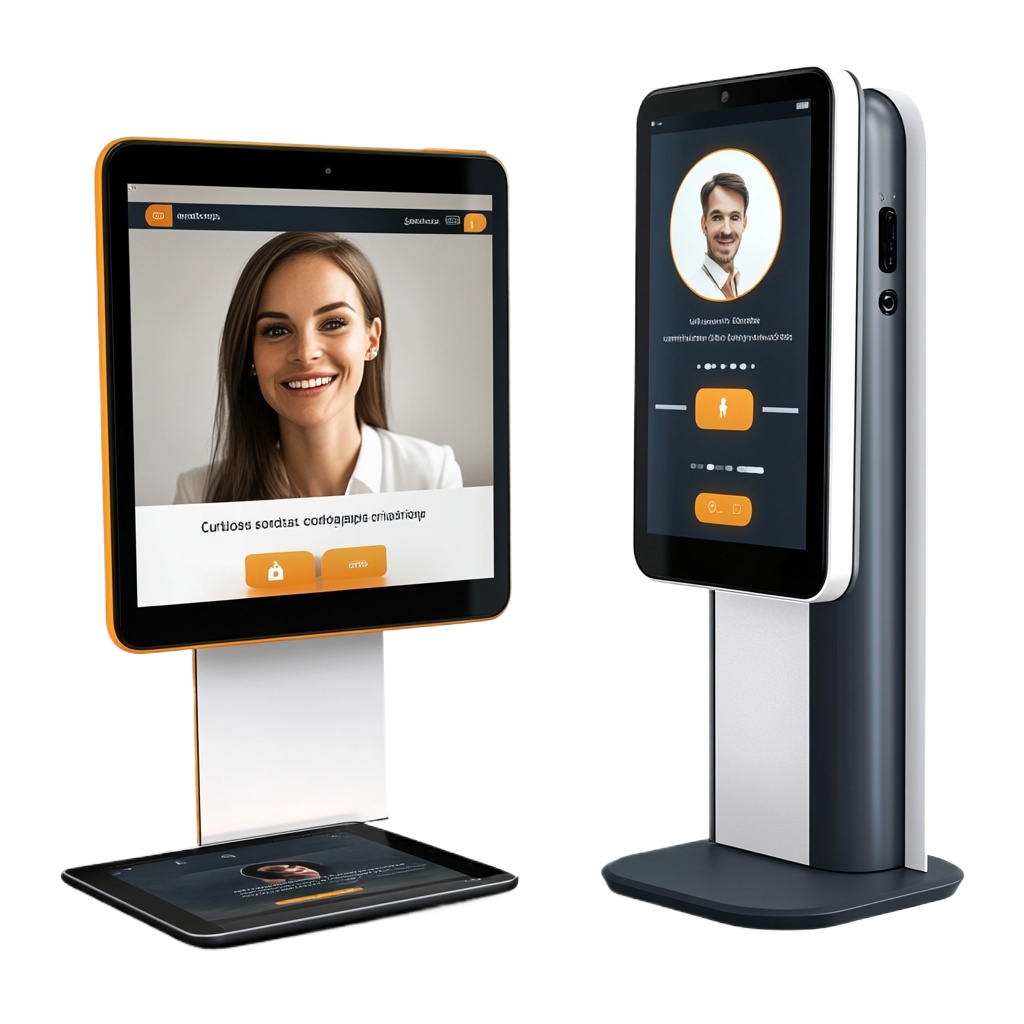
5. Smart payment terminals to build a new payment experience.
4、 Scene based (focusing on applications and experiences)
1. From industrial production lines to smart homes, AIoT makes intelligence ubiquitous.
2. AIoT empowers all scenarios: enabling devices to perceive and making decisions smarter.
3. The intelligent link between life and industry - AIoT makes the experience more precise.
4. Connect scenarios with AIoT to enable intelligent services to arrive proactively.
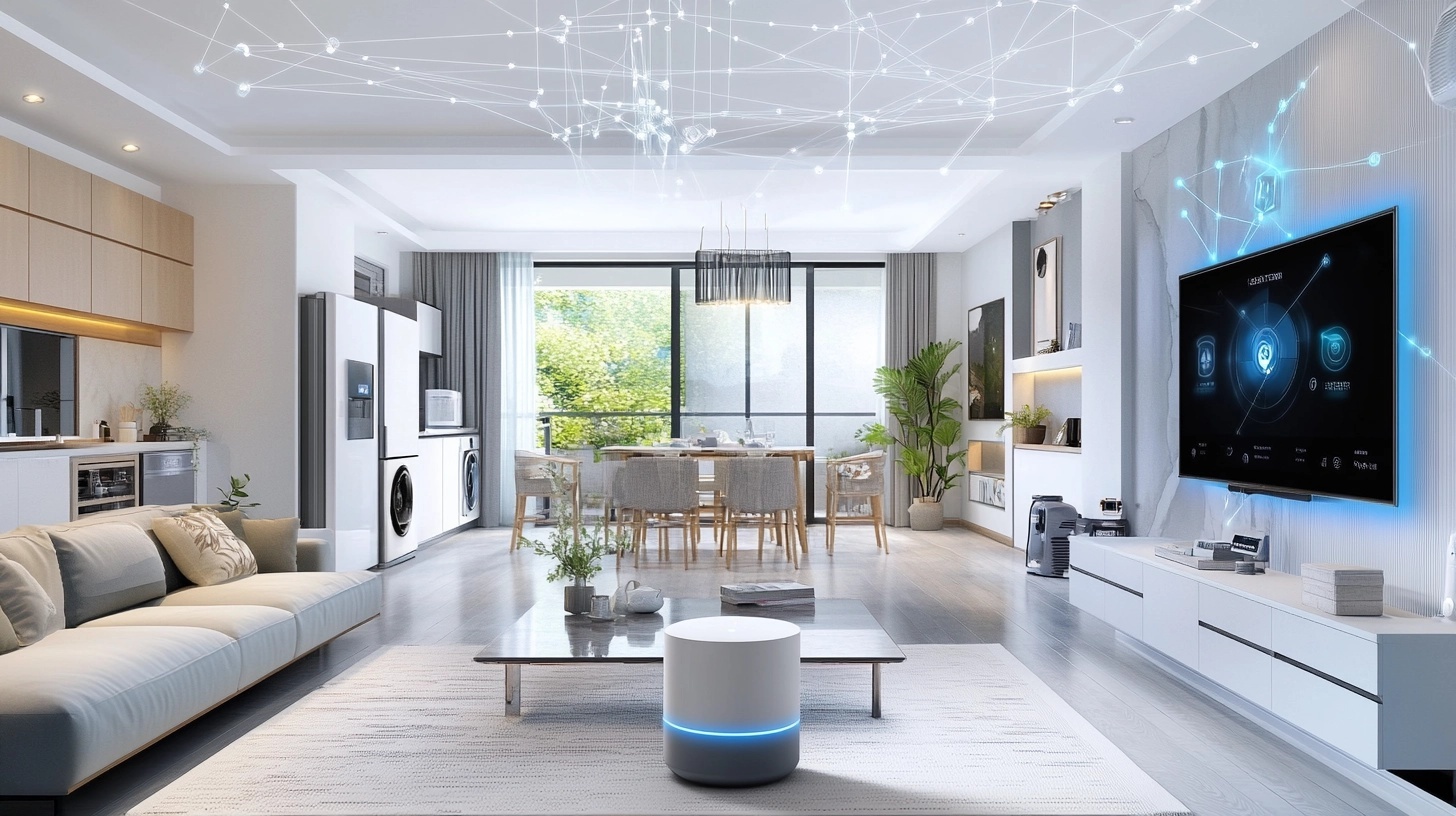
The good ecological collaboration of AIoT not only relies on technological innovation, but also requires precise grasp of industry pain points. Through the three-dimensional integration of "technology+scenario+ecology", multiple breakthroughs can be achieved to improve efficiency and bring business value to customers.

 ShenZhen Ace Golden Electronics Technology Co., Ltd



 Customer Service